Signature Programs
The Exhibition of Curiosity
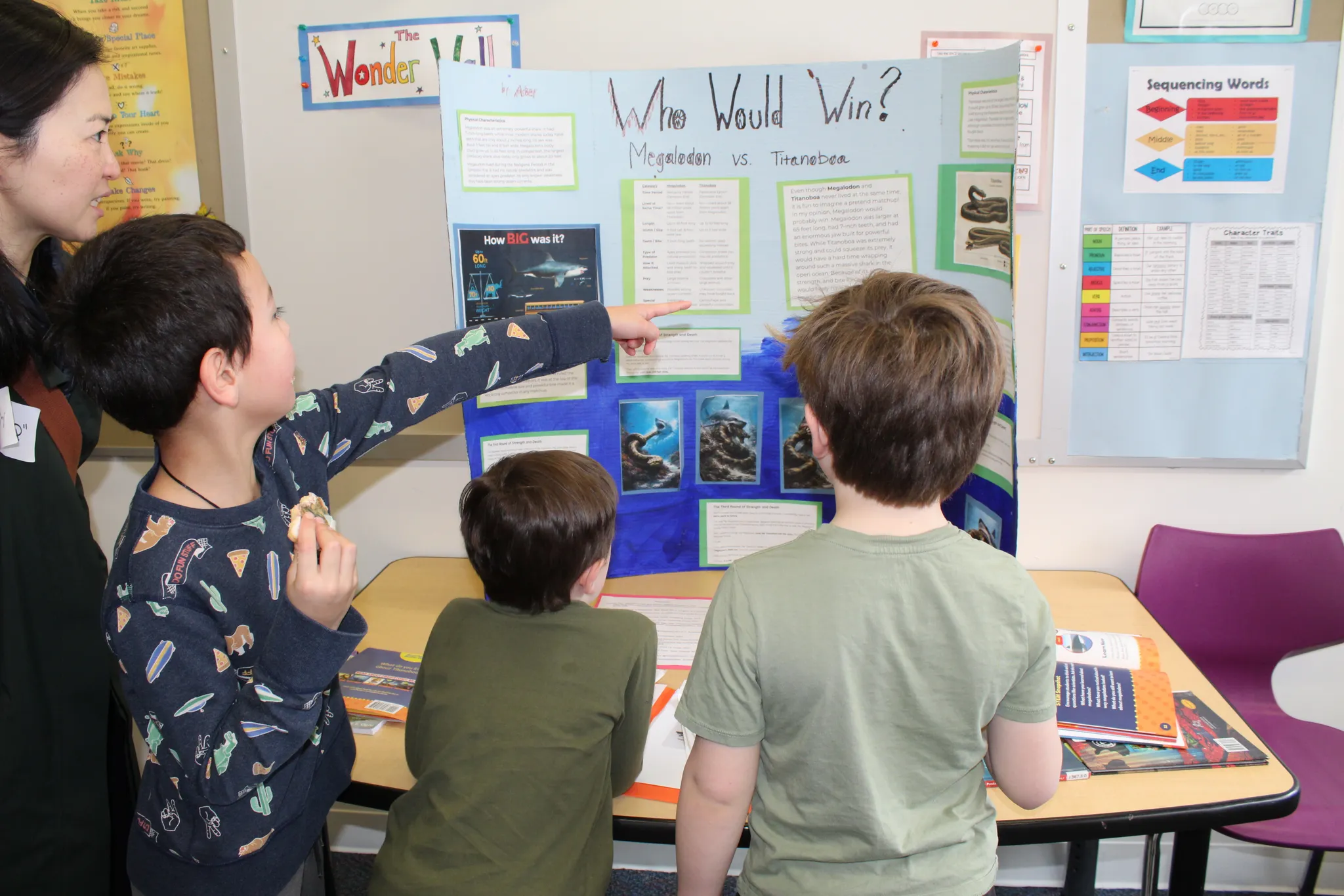
Each spring, our students in Pre-K - Grade 7 diligently prepare to present special projects in an exhibition that is open to our community, while our Grade 8 students hone their capstone graduation Mastery projects.
The "Exhibition of Curiosity" is an exciting event for students, teachers, and families. It is an opportunity for the students to showcase their special projects and provide context to the diligent process that prepares them for this day.
What is EOC?

A Summary by Grade Level: How Curiosity Drives the Process
PreK & Kindergarten
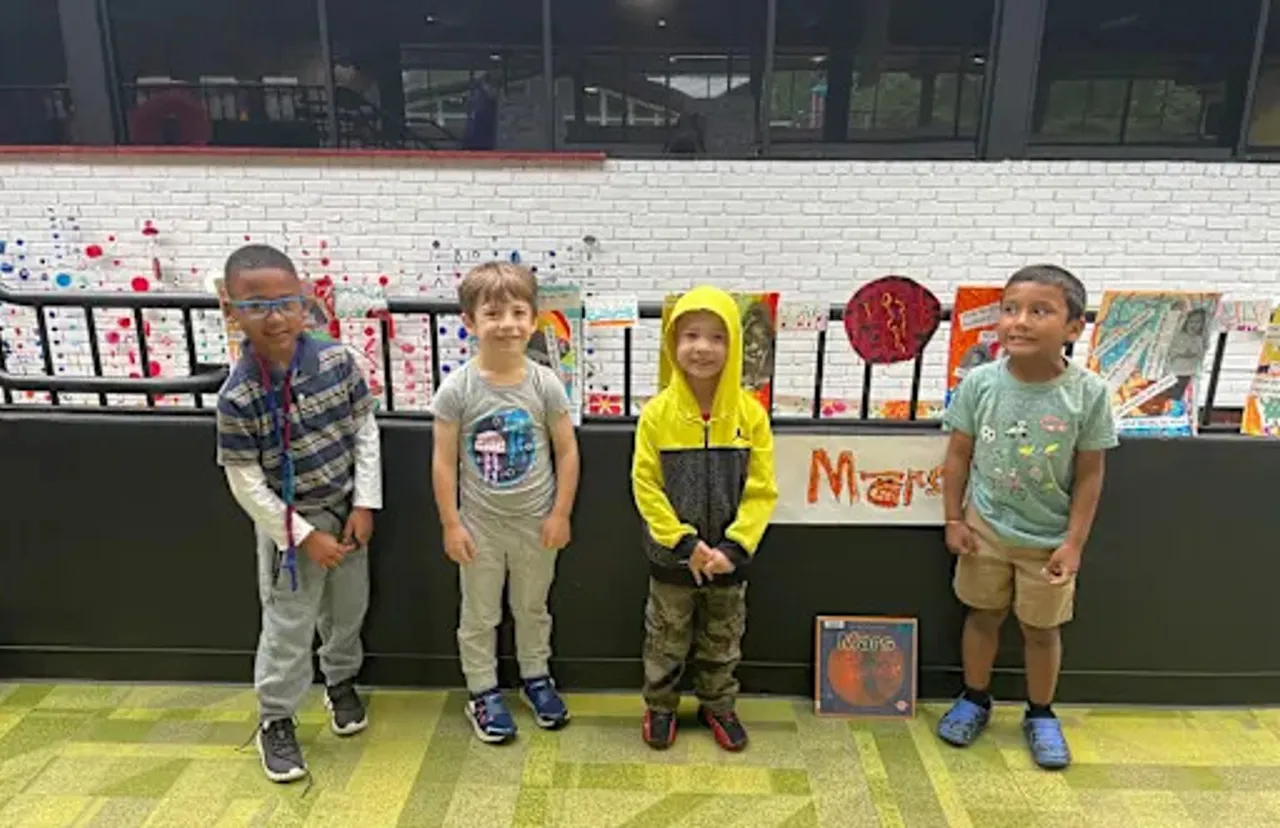
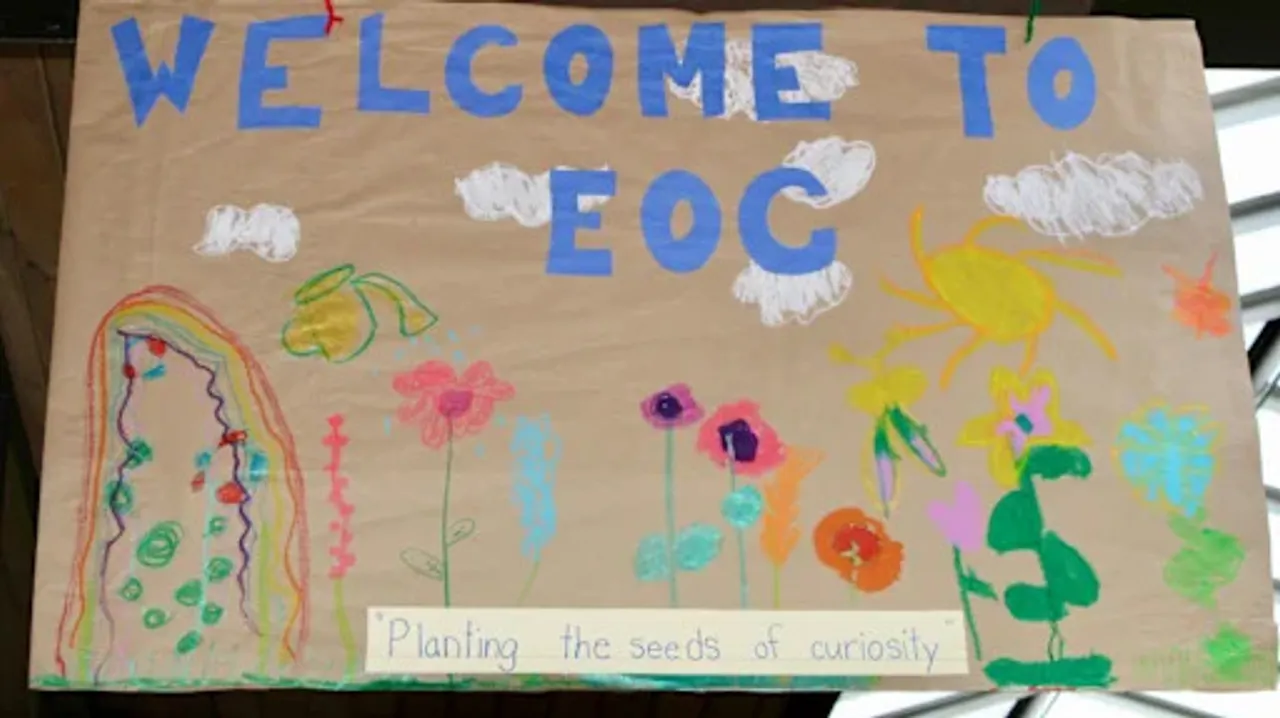
When approaching the Exhibition of Curiosity, Pre-K and Kindergarten students took a deep dive into Wonder! Teachers asked the students to come up with questions and topics that they wonder about. They were able to come up with almost 200 questions!! This is the platform where students took inspiration, and we were able to create multiple projects. They created animals out of clay and their environments, a large-scale solar system, and so much more.
Grade 1
How does living in a community benefit orcas? Our first graders used prior knowledge about the concept of "communities", and then researched orcas by reading books and watching videos to obtain more concrete information. Finally, students used what they learned to construct an informative and humorous skit that demonstrated what they learned.
Grades 2-7
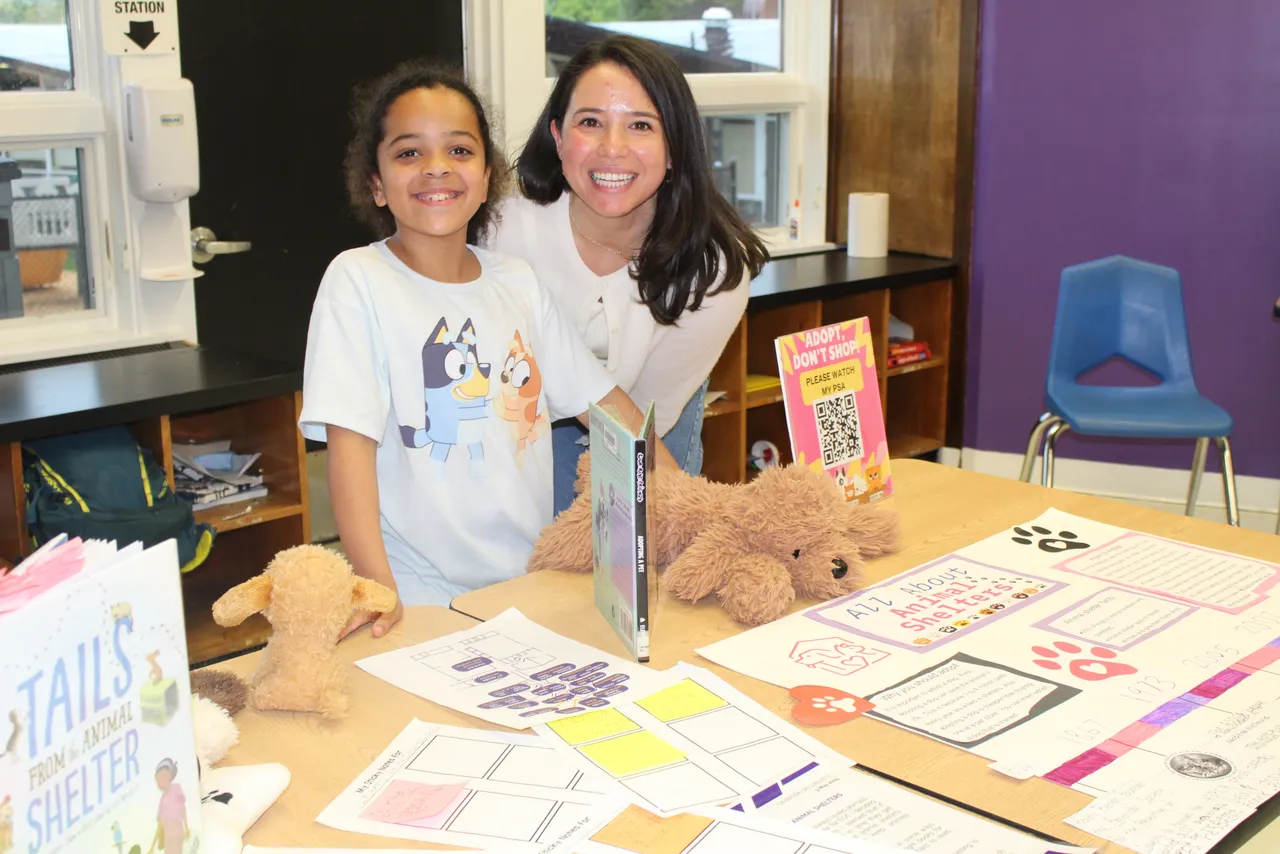
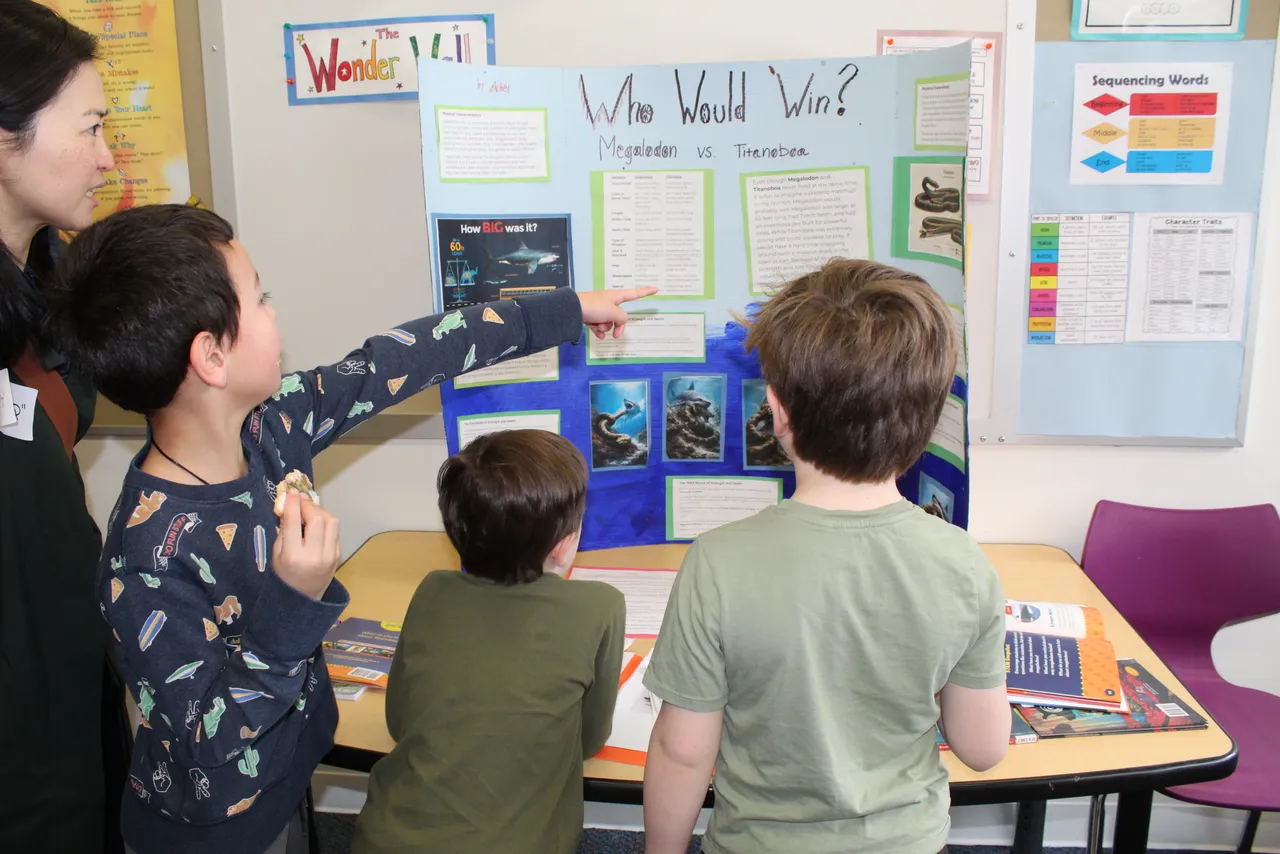
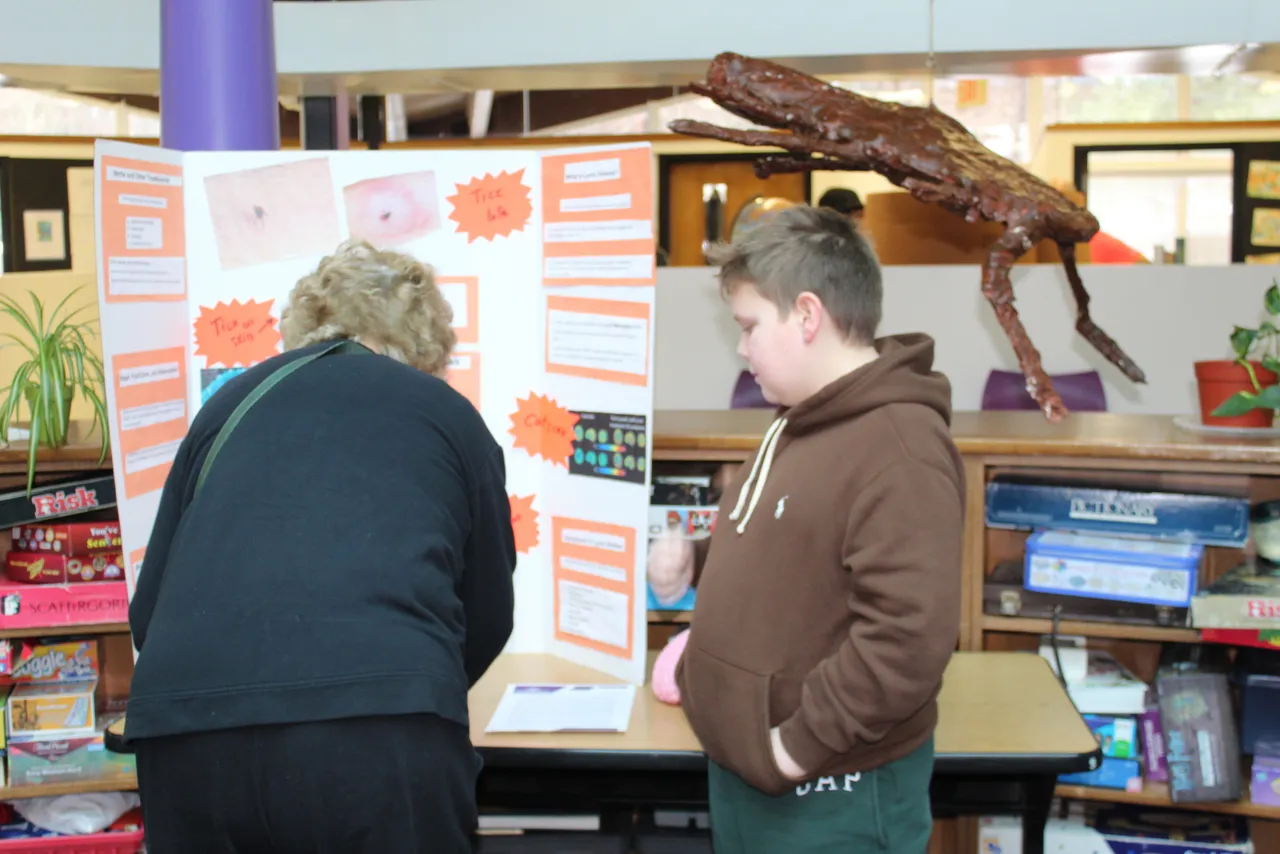
The journey for students in grades 2–7 kicked off with the foundation of all research – a really great question. Students explored brainstorming prompts to identify their deepest wonderings. They experimented with various research and note-taking techniques, discovering the most effective methods for their unique learning styles. Students refined their understanding and developed their communication skills. Finally, the students had to determine the most effective way to share their newfound knowledge with others. Project construction and presentation rehearsals marked the culminating step in the EOC journey.
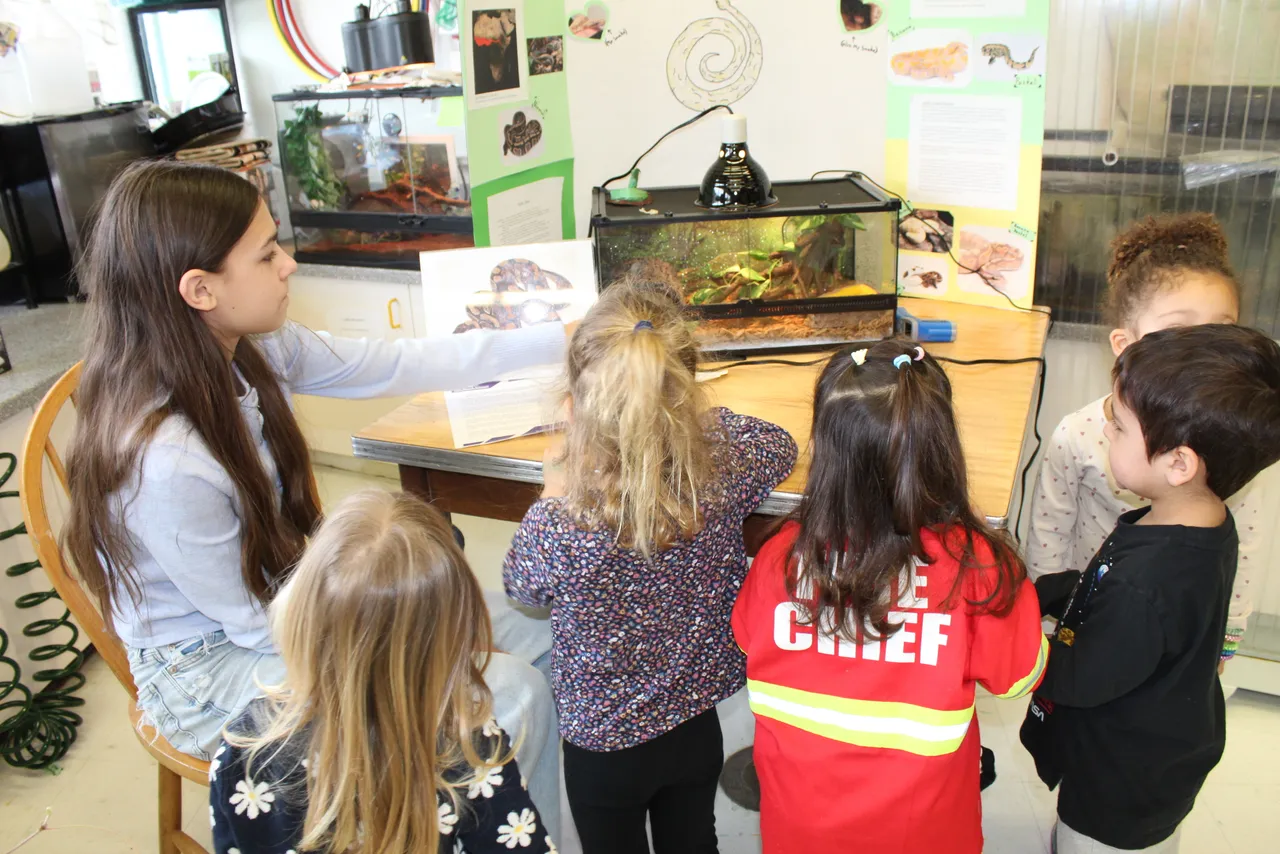
Questions we ask our Student Presenters!
- What inspired you to choose this project topic?
- Can you describe the process you went through to complete your project?
- What challenges did you face during the project, and how did you overcome them?
- What new skills or knowledge have you gained from working on this project?
- In what ways did you collaborate with your peers or teachers to bring this project to fruition?
- What is the most interesting or surprising thing you discovered during your research?
- How might you apply what you learned from this project in the future?
- What are you most proud of about your project, and why?
Public Purpose
Mission and Purpose
The Public Purpose program encapsulates the second part of our school’s title: The Center for Human Development. It is the bridge between work that is already happening in the school (ie. progressive education, mixed-age learning, creating inclusive classrooms) with the greater community. This initiative develops opportunities for our students (families, faculty/staff, alumni) to delve into immersive learning intended to strengthen our existing “school” program, while also providing professional development, parent workshops, and cross-generational learning opportunities for our community and beyond.
Through the Public Purpose program students become ambassadors to the world on behalf of the school developing invaluable leadership skills. They have the opportunity to share and showcase what we do at Mead and explain how this work might transfer our mission to other organizations that work with children—the notion of “cultivating a meaningful life in an interconnected world.” The Public Purpose program invites in all constituents of our community, embodying the foundational values/ pillars of The Mead School to ensure current and pertinent connected work.