Middle School (Grades 5–8)
Where Students Become Independent Thinkers
In Middle School, students engage in deeper analysis, discussion, and project-based learning—building the skills and confidence needed for high school and beyond.
At Mead, Middle School students are expected to think deeply, ask questions, and engage actively in their learning. Through discussion, research, and real-world application, students move beyond memorization and develop true understanding.
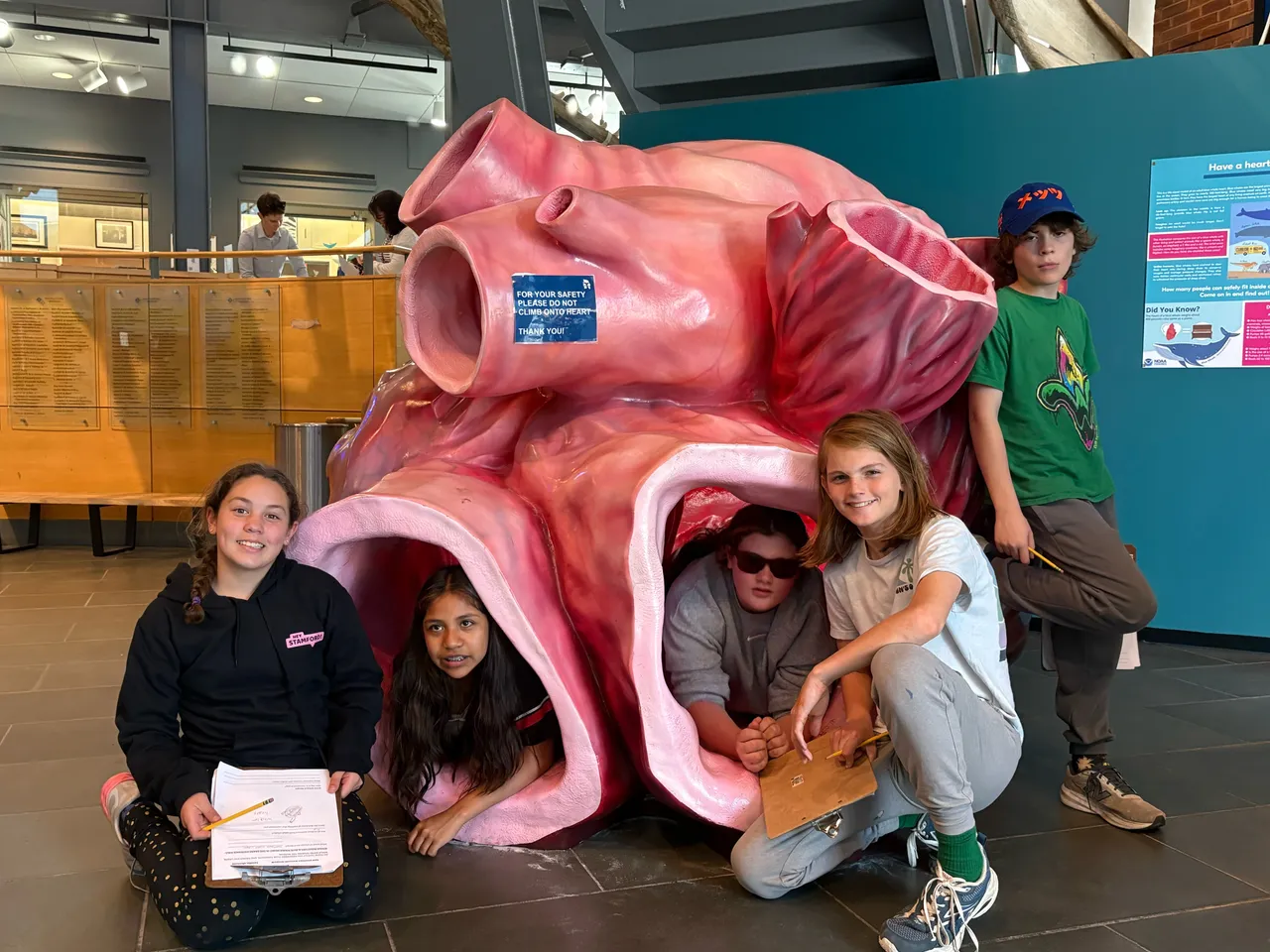
6th Grade Marine Science Trip to the New Bedford Whaling Museum
Strong Academics, Deeper Thinking
Middle School students at Mead are expected to do more than learn information. They are asked to question it, make connections, support their ideas with evidence, and apply what they know.
In Language Arts and Humanities, students analyze increasingly complex literature, examine different perspectives, and develop arguments through discussion and formal writing. Mathematics moves into algebraic reasoning, functions, equations, geometry, and increasingly challenging problem-solving.
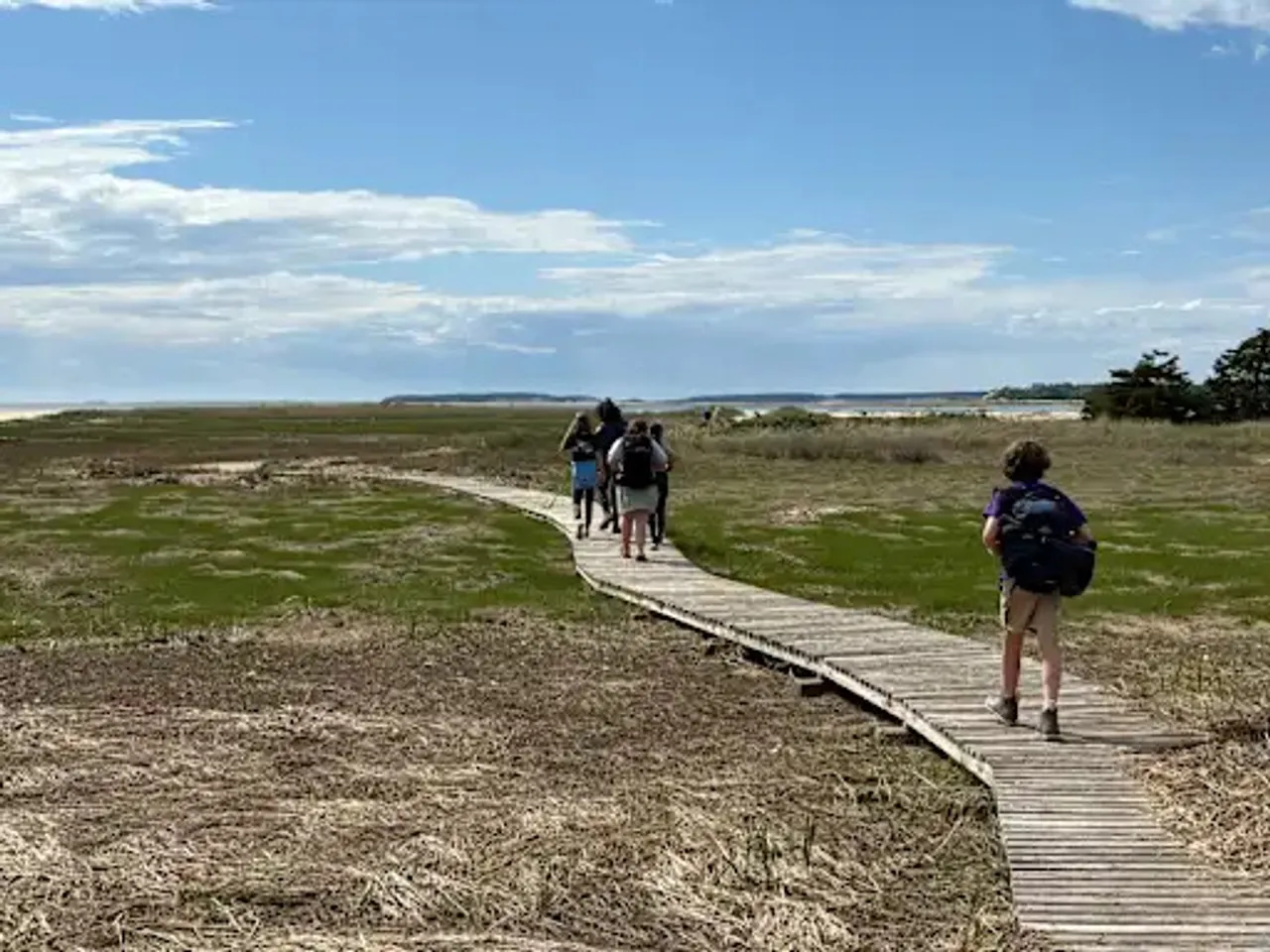
Science brings these skills into the field and laboratory. Sixth graders collect and analyze data from the Long Island Sound shoreline, then produce scientific reports based on their findings. In seventh and eighth grades, students investigate physics and chemistry through experiments, research, and projects that require them to explain not just what happened, but why.
Across subjects, students are expected to read closely, think critically, write clearly, and defend their conclusions.
Taking Ownership of Learning
Middle School is also when students begin taking greater responsibility for how they learn.
Students learn to manage increasingly complex assignments, organize their work, advocate for what they need, and recognize the strategies that help them succeed. Teachers provide guidance and support while expecting students to do more for themselves.
That independence develops through daily academic work as well as larger projects. Students make decisions, work through challenges, explain their thinking, and learn to stand behind the work they produce.
That responsibility culminates in the eighth-grade Graduation Capstone, when students reflect on their growth, complete a Mastery Challenge, and present and defend their work before a panel of Mead adults.
The Middle School Experience
The Middle School program is broad, but some experiences offer a particularly good window into how students learn at Mead. Across their classes, students are reading, writing, solving problems, conducting experiments, discussing ideas, creating, performing, and making connections across subjects. As they move through Grades 5–8, the work becomes more complex and students take an increasingly active role in it.
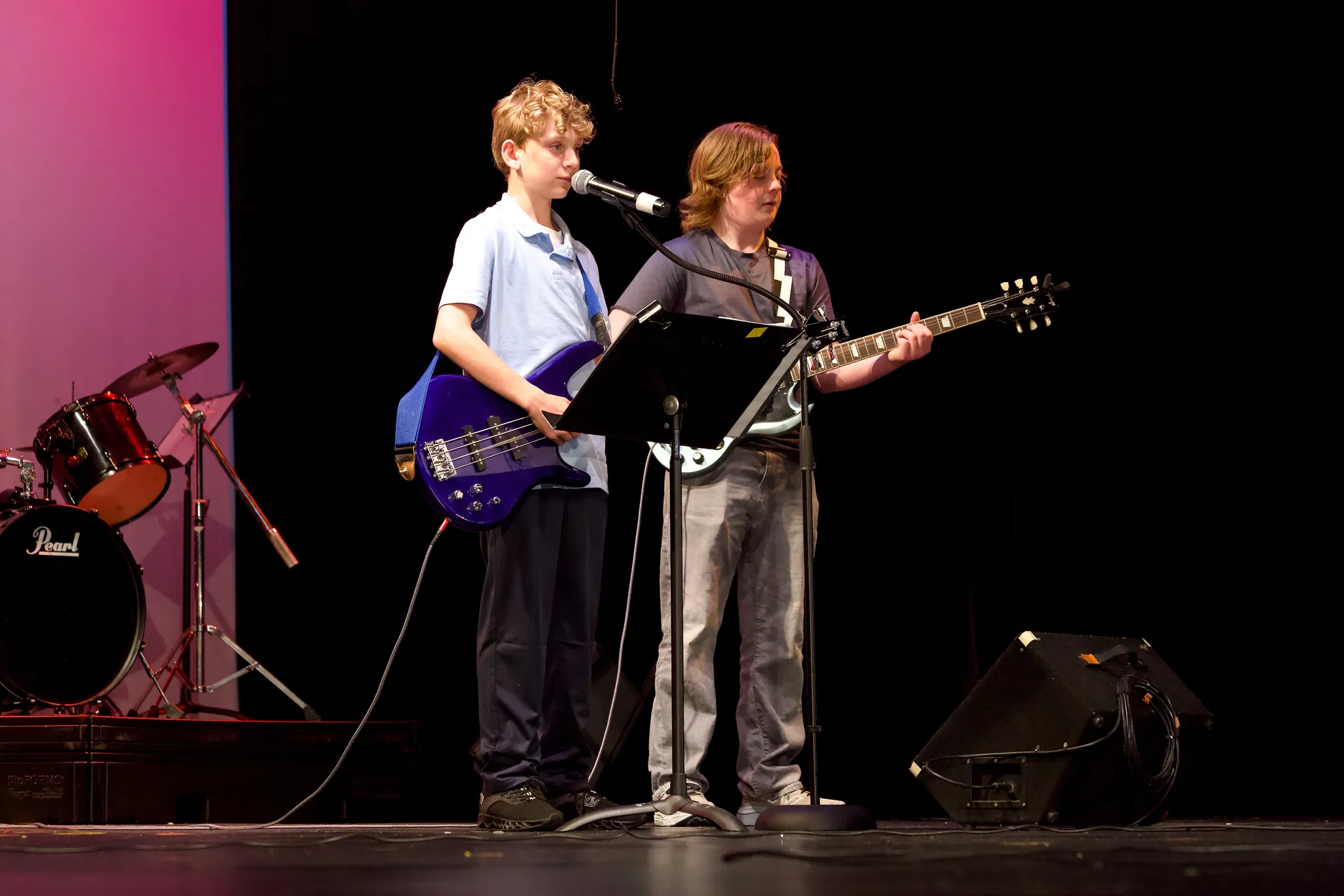
That learning can take many forms. Students might be collecting scientific data along Long Island Sound, debating a complicated question in Humanities, rehearsing Shakespeare, or preparing to defend their work before a panel. These are just a few examples of a Middle School program designed to challenge students in different ways and give them room to think, create, question, collaborate, and grow

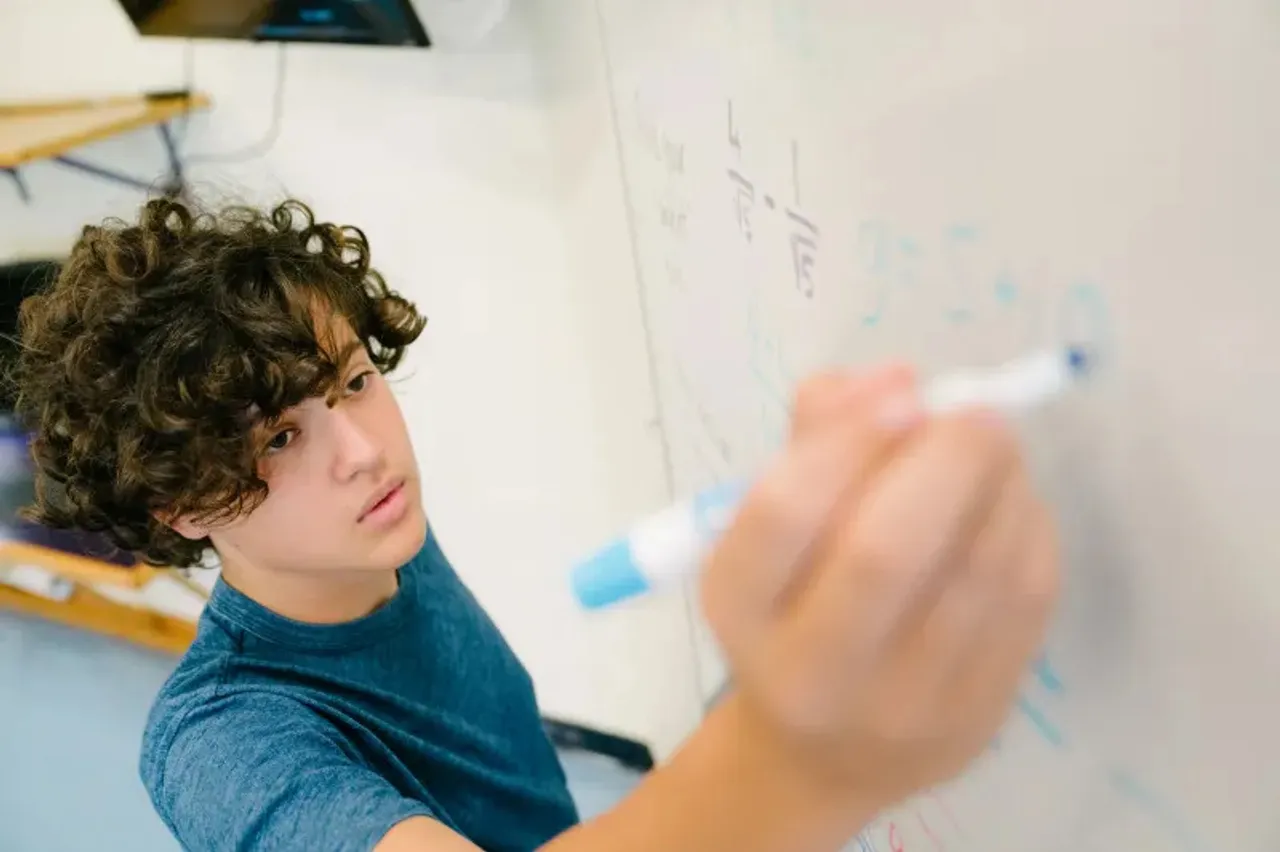
Athletics at Mead
At The Mead School, active learning is our norm - and what could be more active than athletic endeavor?
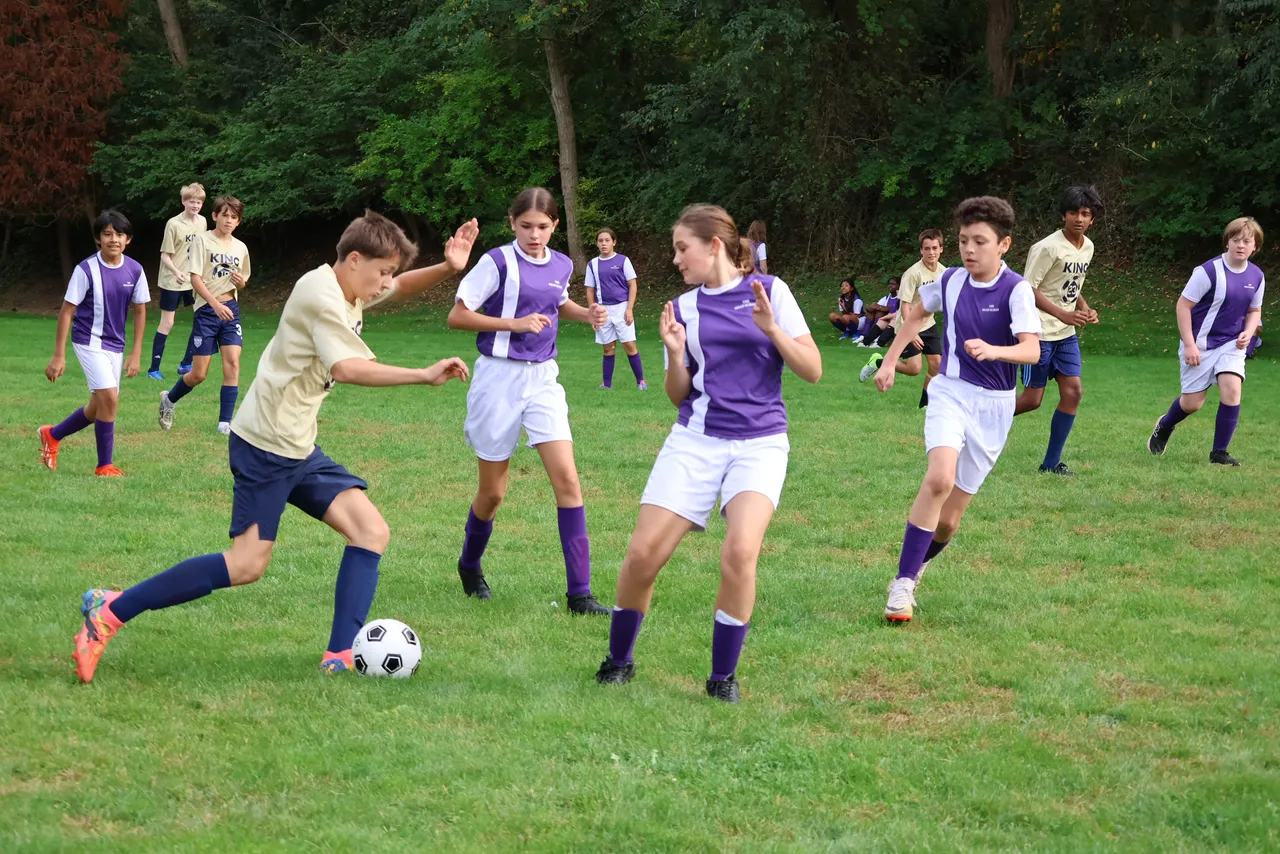
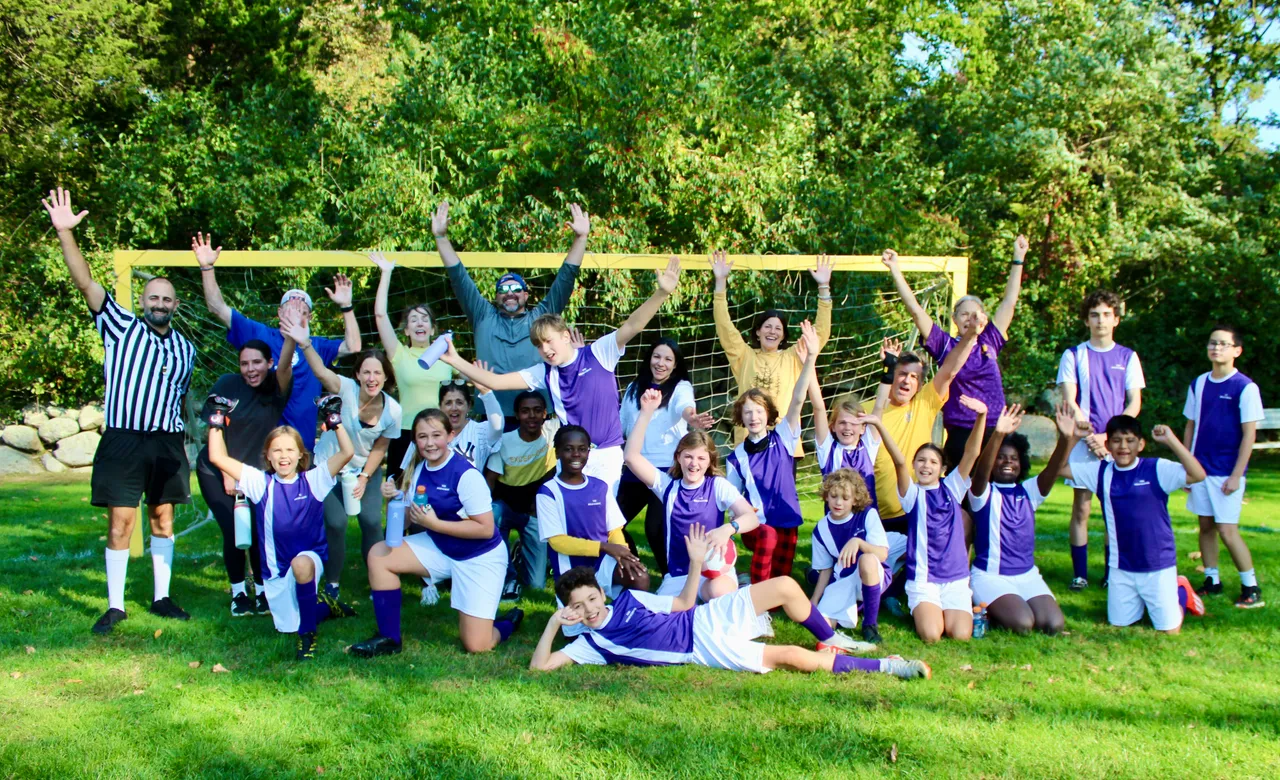
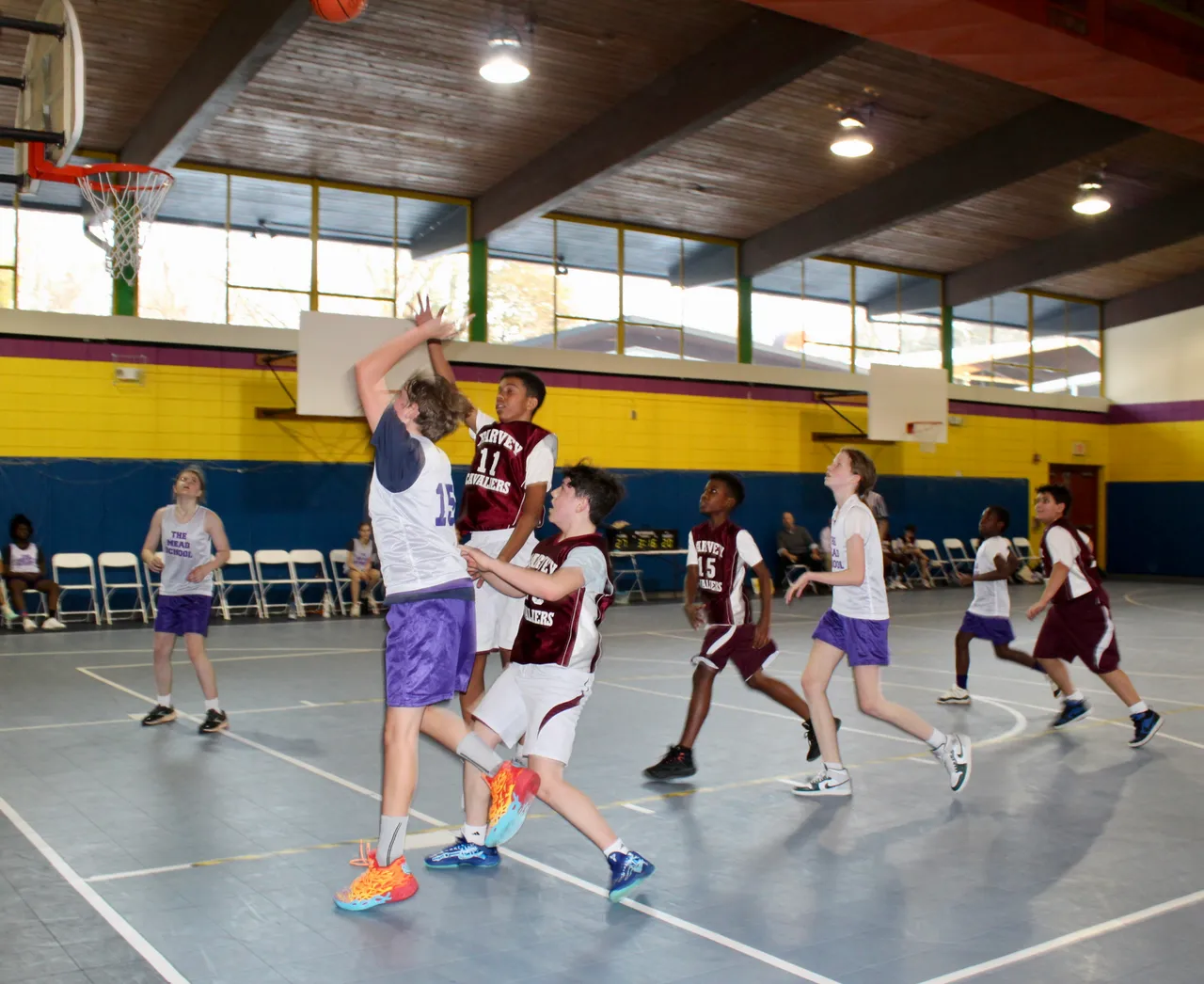
Mead students enjoy a variety of competitive sport opportunities, a robust and fun physical development program, and a faculty leader who is as happy leading a lunchtime dance party as he is coaching on the turf and in the gym!
Team Sports at Mead
For competitive team sports, Mead competes against other local private schools.
Fall Trimester: Soccer
Winter Trimester: Basketball
Spring Trimester: Ultimate Frisbee
Ready for What Comes Next
Graduates of Mead leave prepared for a range of high schools.
They are confident thinkers, strong communicators, and independent learners who are ready to engage in more advanced academic environments.
See Middle School in Action
The best way to understand Mead’s Middle School program is to visit and experience it firsthand.