Lower School (Kindergarten–Grade 4)
Elementary school should build thinkers, not just good students.
At Mead, the elementary years are about more than building academic skills. They are when children begin to understand themselves as learners.
Students learn to wonder, question, make connections, create, revise, explain their thinking, and increasingly take ownership of their work. Strong foundations matter. So do the confidence, creativity, and independence to use them.
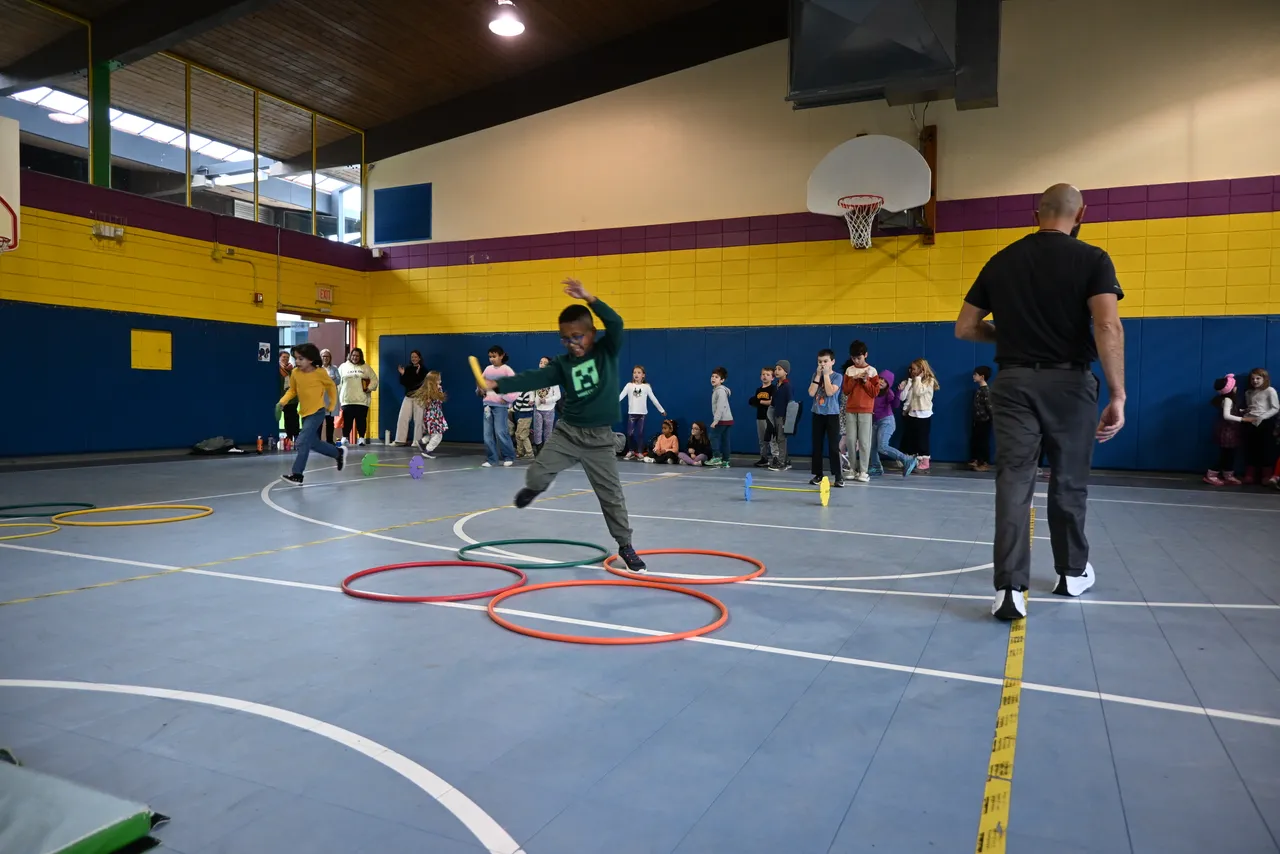
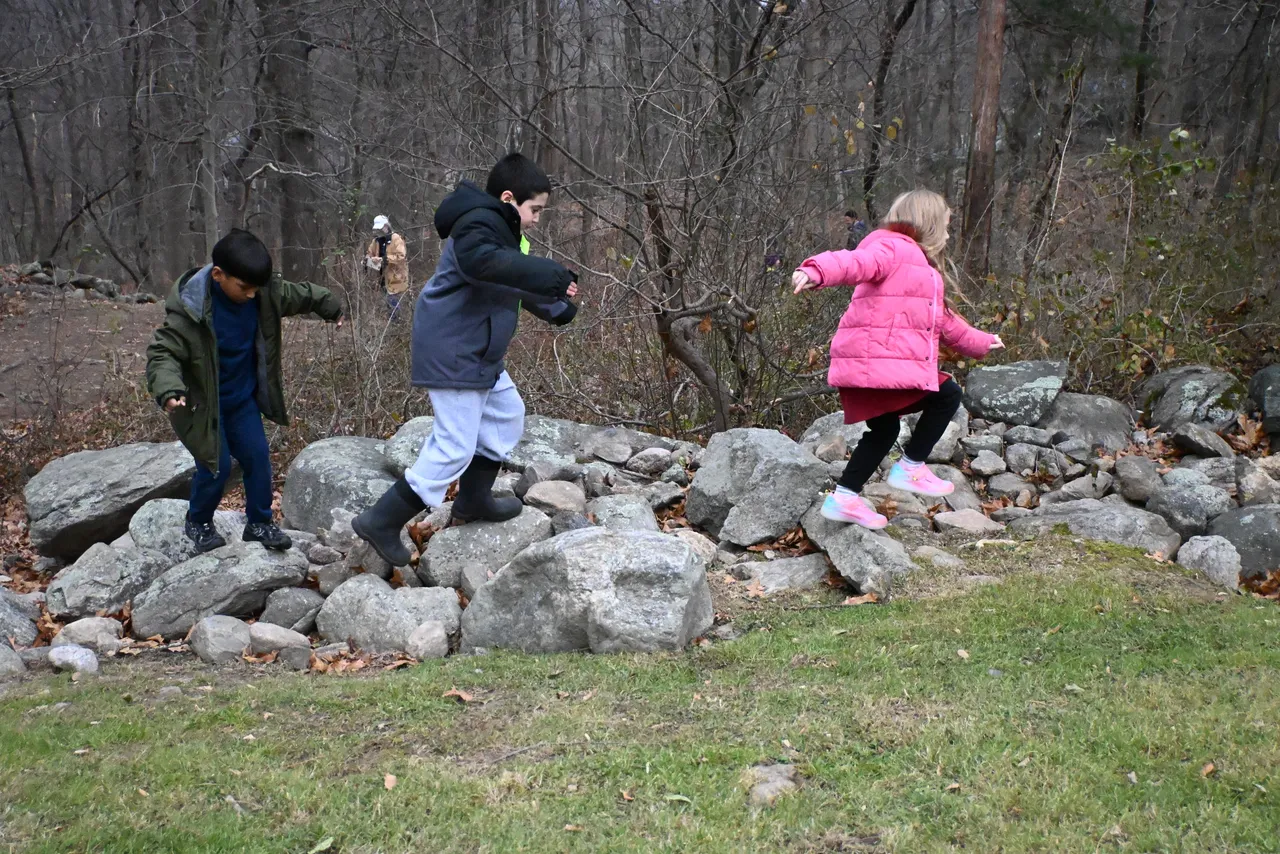
Strong foundations. Deeper thinking.
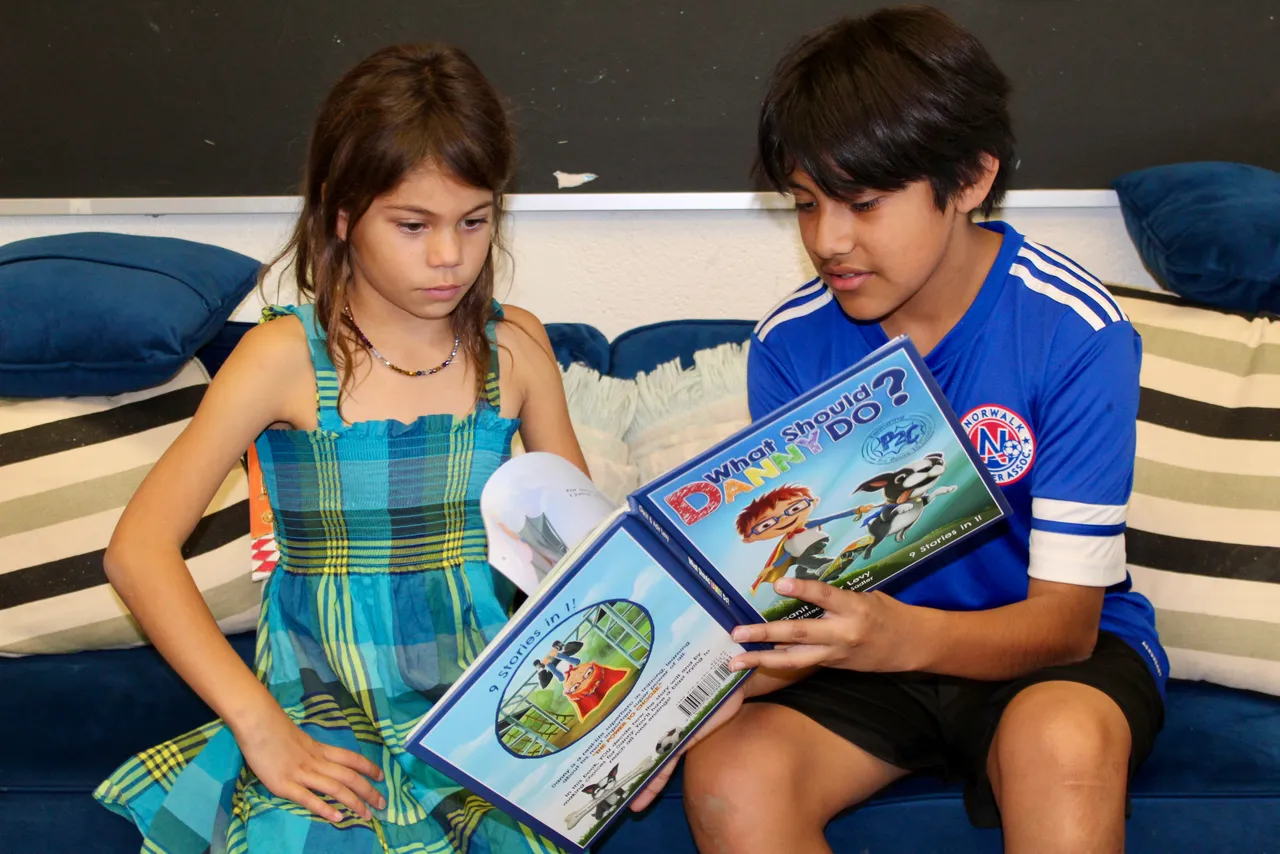
Children need strong reading, writing, and mathematical skills. At Mead, they also learn what to do with them.
Students build essential skills in
- Reading and comprehension
- Writing across genres
- Mathematical reasoning and problem-solving through inquiry-based learning
This approach builds both understanding and confidence. Teachers support students in developing accuracy, fluency, and the ability to think through complex ideas.
Learning isn't something students simply complete at Mead. They use it.
- Reading, writing, and math are taught through meaningful, connected work
- Classroom discussions that build critical thinking and communication
- Hands-on projects that apply academic skills
- Opportunities to present ideas and explain thinking
Growing Independence and Confidence
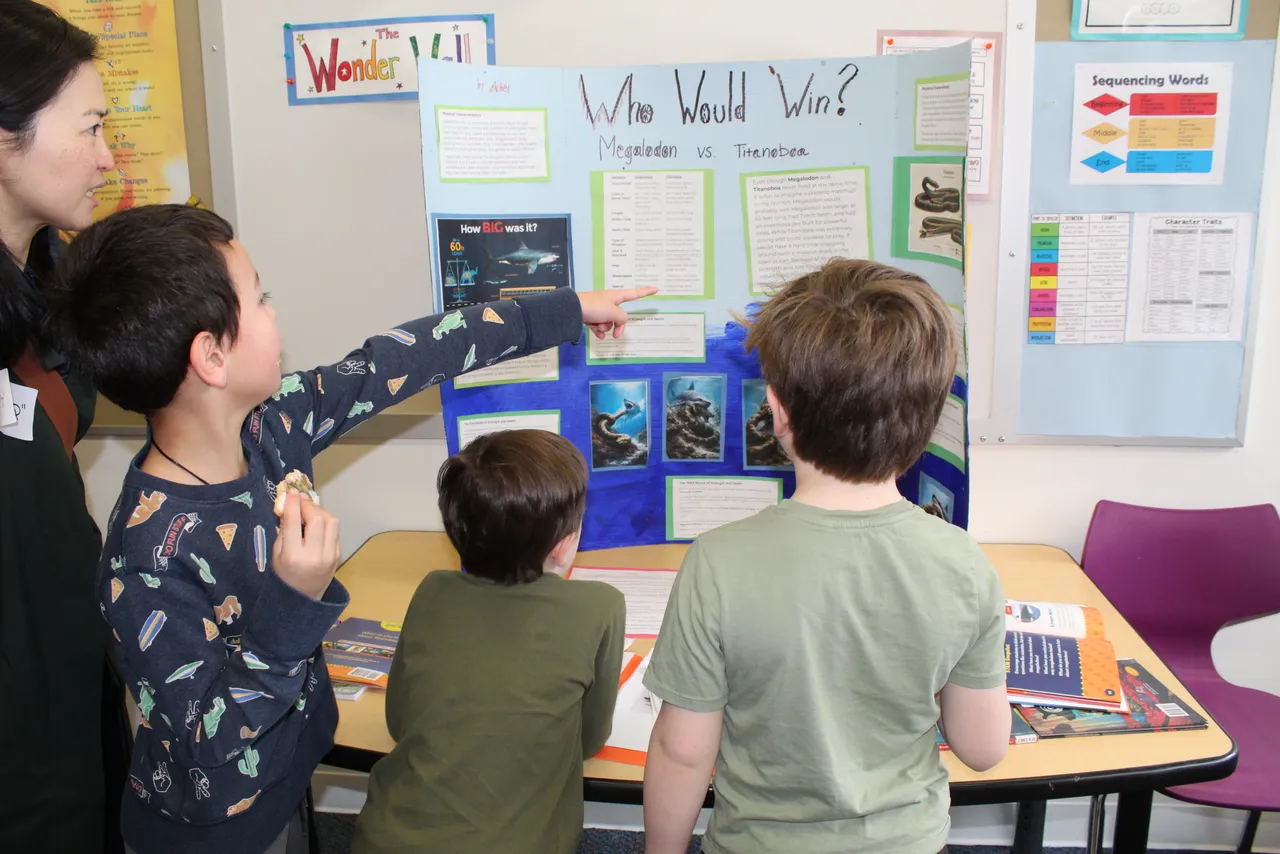
In Lower School, students begin to take more ownership of their learning.
They learn to:
- Ask questions and seek answers
- Work independently and collaboratively
- Reflect on their work and improve it
Known well enough to be challenged well.
Small classes allow teachers to understand how each child thinks, where they are ready to stretch, and where they need support. Beginning in Kindergarten, students also learn from subject-area specialists, giving them access to teachers with deep expertise while they are still in the elementary years.
That's Mead.
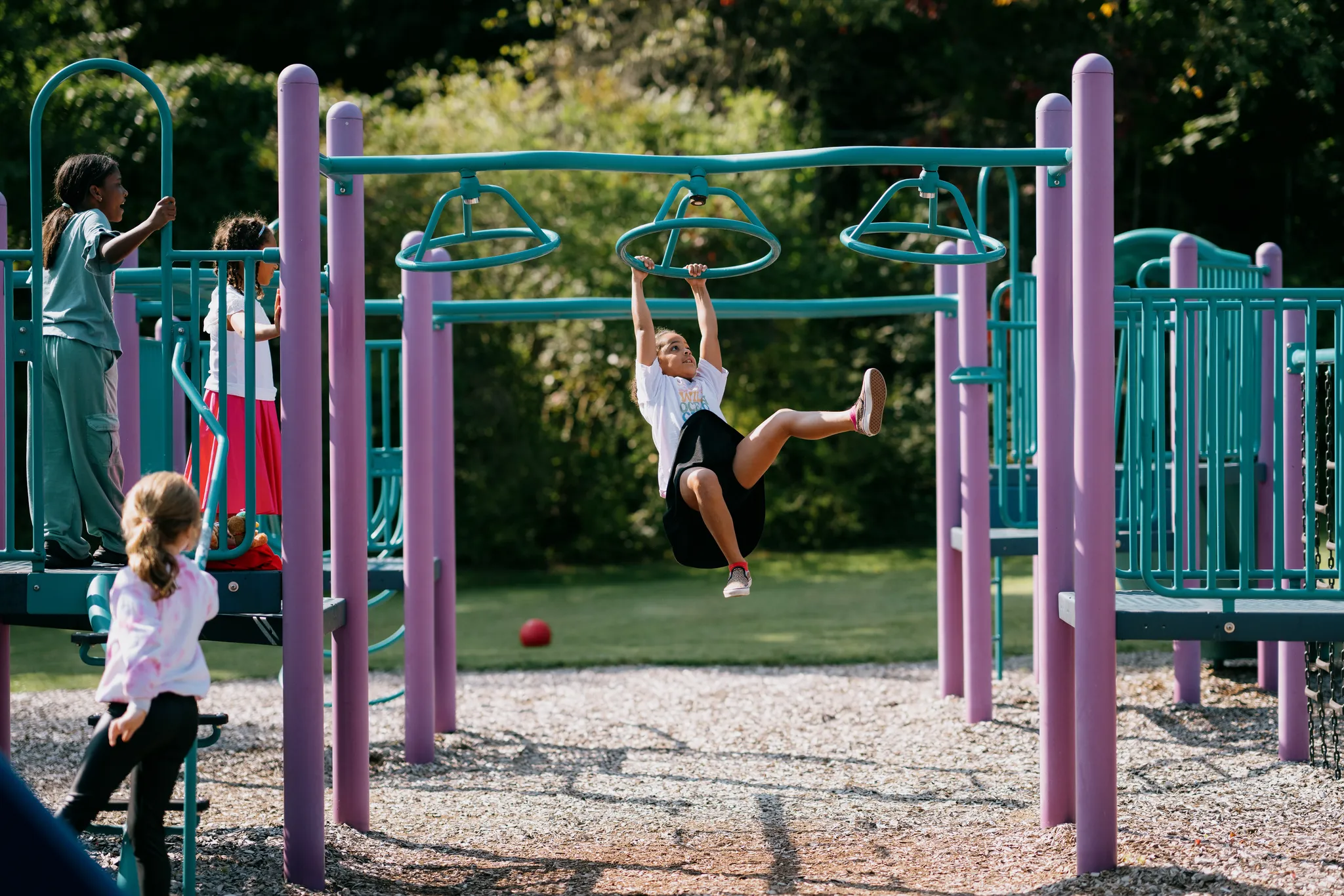
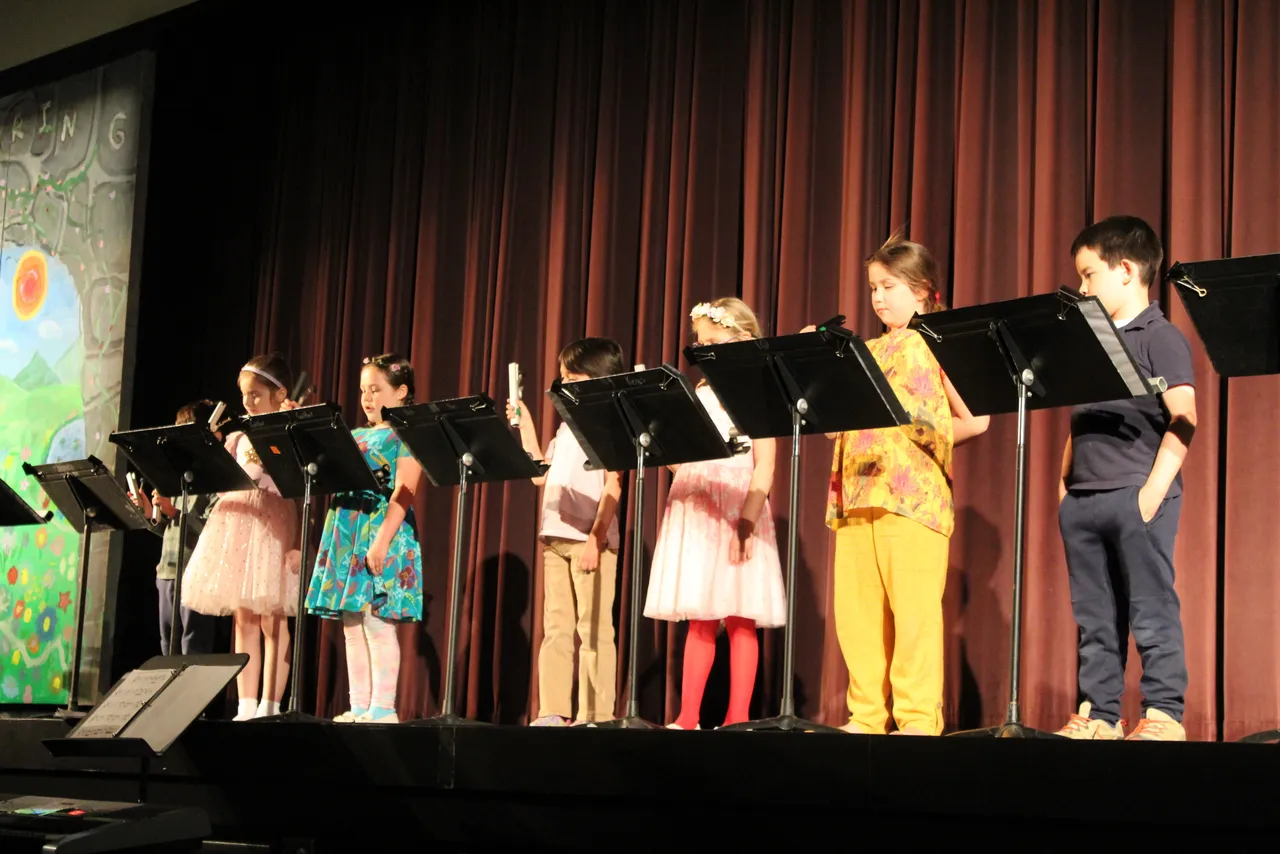
A Connected School Day
Children are more than academic learners. Their school day should reflect that.
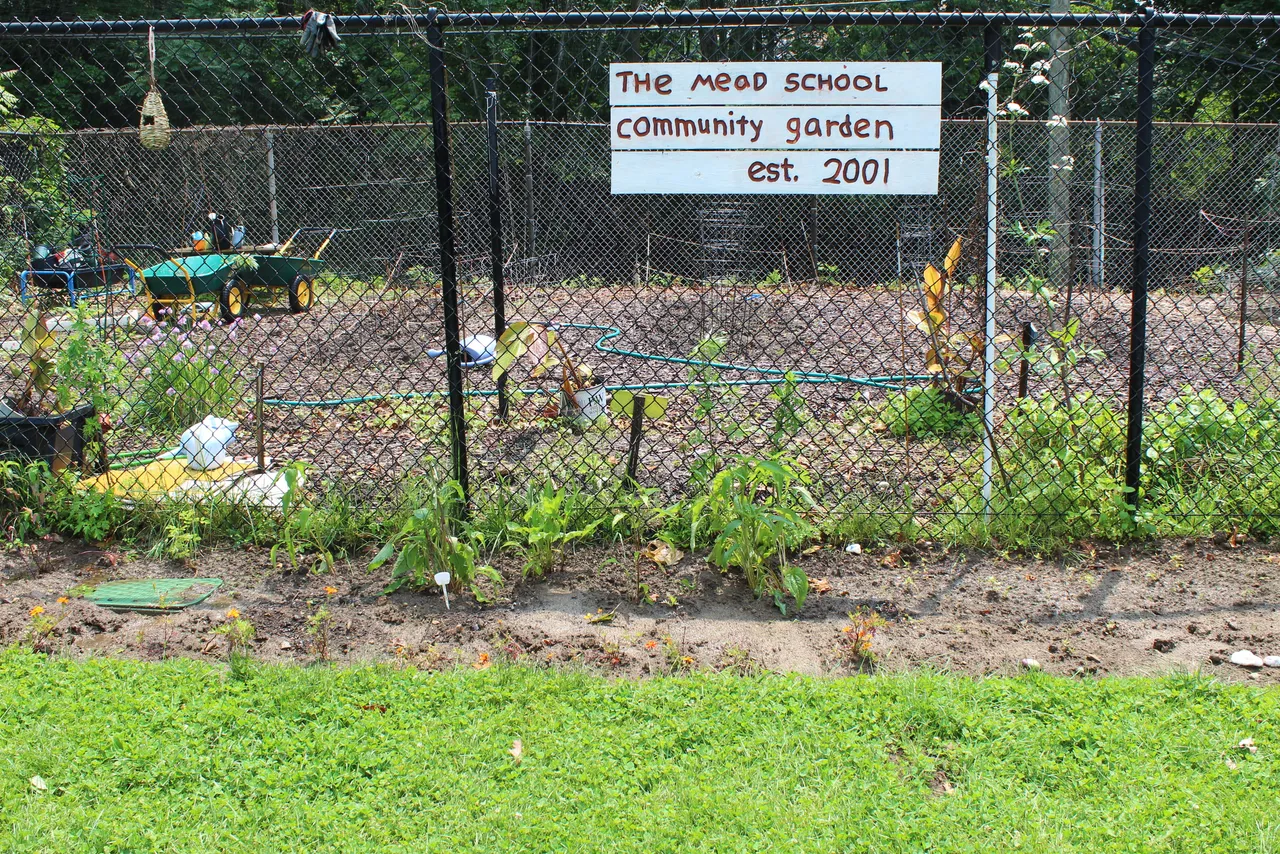

What Begins Here Goes With Them
By the end of Lower School, students have strong academic foundations. But they have also begun developing something harder to measure: a sense of themselves as capable learners.
They know how to ask questions, explain their thinking, work through difficulty, contribute to a group, and take increasing responsibility for their learning.
They are ready for Middle School not simply because they know more, but because they can do more with what they know.
See Lower School in Action
The best way to understand Mead’s Lower School program is to visit and experience it firsthand.